
Truth Dental Clinic, Dentist Bangkok, Thailand. Open Mon-Fri : 10.00 am – 08.00 pm, Sat 10.00 am – 07.00 pm, Sun : Close
Truth Dental Clinic, Dentist Bangkok, Thailand.
Open Mon-Fri : 10.00 am – 08.00 pm,
Sat 10.00 am – 07.00 pm, Sun : Close
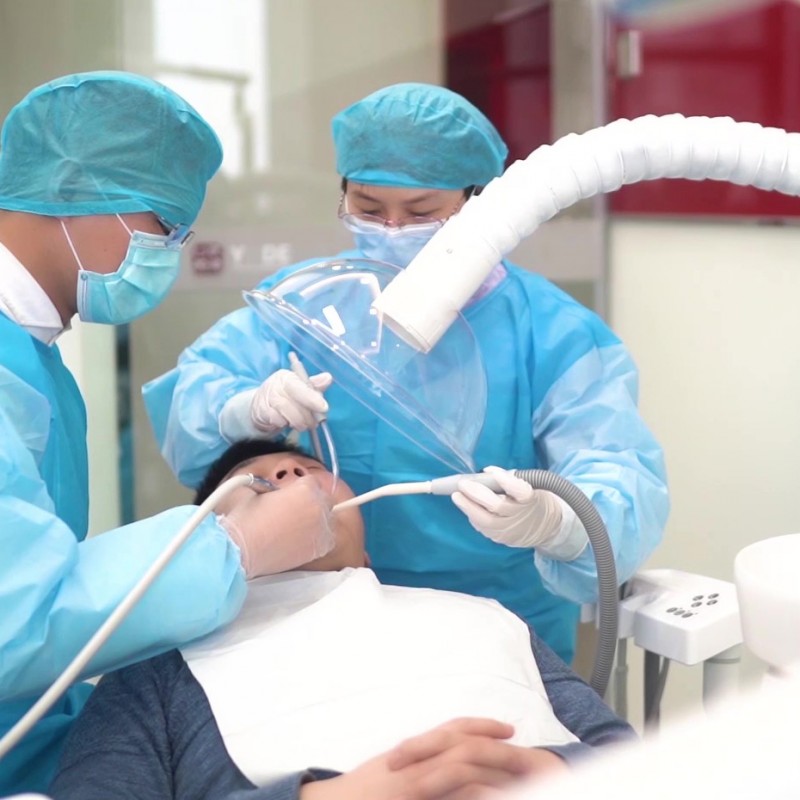
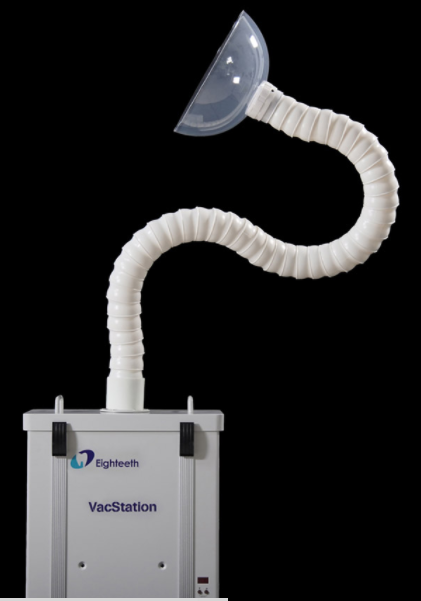
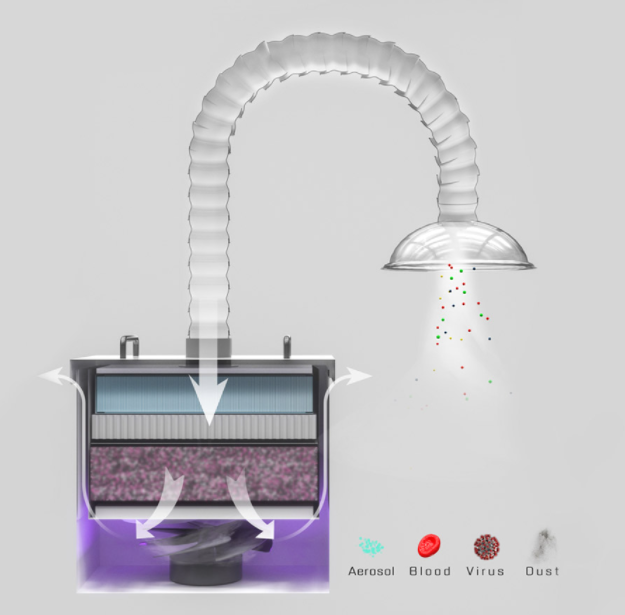
VacStation is an extraoral aerosol vacuum device to prevent blood,virus,dust and other substance from spreading in dental treatment like high-speed drilling, dental laser and electrosurge procedures, etc
VacStation Extra-oral Dental Suction System has been developed by Eighteeth to reduce the risk associated with airborne particulates and pathogens present in an aerosol spray that is an inherent part of dental care. The aerosol emerging from the mouth of the patient consists of splashes of the spray mist rebound and droplets containing cooling water, saliva, blood, microorganisms, bacterias and viruses. This mixture presents a high risk of infection.
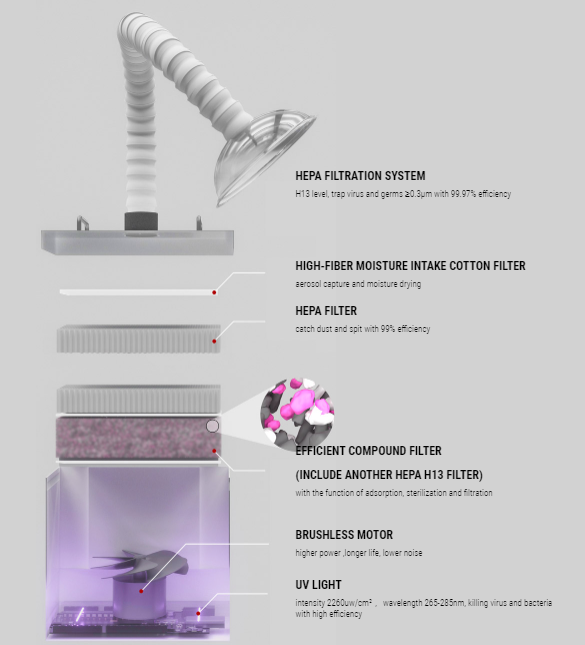
VacStation reduces that risk and purifies the air using a multi-level filtration system (HEPA, High-fiber cotton filter, Activated carbon+KMnO4+Ceramsite filter+2nd HEPA 13), and UV C light. It traps viruses and germs ≥0.3 μm with over 99.97% efficiency, including mercury vapor. An independent evidence-based study has found that using the VacStation in conjunction with a high volume suction, would justify having 10-15min.fallow time.
SARS-CoV-2: characterisation and mitigation of risks associated with aerosol generating procedures in dental practices – British Dental Journal (2021)
Studies have shown that nasal swabs from patients with symptomatic or asymptomatic Covid-19 exhibit higher viral concentrations than those in throat swabs. High volume aspirator would not protect against viruses exhaled by patients through the nose. Extraoral vacuum aspirators (EOVAs), like VacStation, deal with both aerosol droplets and viruses exhaled through the patient’s nose.
Even a modified household vacuum is “highly effective in preventing air contamination by dental procedures”
Did you know: